Nordic Gnome Christmas: A Designer’s Craft Fair Review
As an embroidery designer preparing for the upcoming holiday market season, my evaluation process goes far beyond simply opening a file. When I assess a new machine embroidery design for potential inclusion in my craft fair inventory, I am looking for versatility, stitch integrity, and immediate visual appeal. The Nordic Gnome - Christmas design has caught my attention as a strong contender for this year's handmade product lineup. Before loading this digital embroidery file into my machine for batch production, I have analyzed its potential across various substrates to ensure it meets the high standards required for both physical booth sales and online listings.
First Impressions: Rustic Charm Meets Commercial Viability
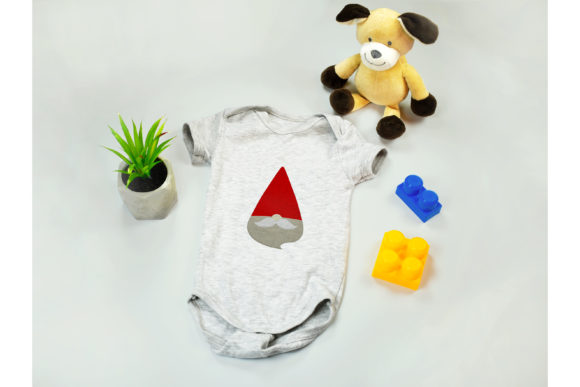
Upon reviewing the Nordic Gnome - Christmas artwork, the immediate impression is one of cozy, rustic elegance. This is not a cartoonish or overly juvenile graphic; rather, it possesses a refined aesthetic that appeals to the modern farmhouse demographic currently dominating the holiday decor market. For an Etsy seller or boutique maker, this distinction is critical. The design strikes a balance between festive tradition and contemporary style, making it suitable for adult apparel and home goods rather than just children's items.
The fact that this design is digitized by hand suggests superior pathing and stitch placement compared to auto-digitized alternatives. In my experience, hand-digitized files typically offer smoother curves and better coverage on textured fabrics. This quality indicator tells me that the Nordic Gnome - Christmas will likely register cleanly at a distance—a non-negotiable factor for catching the eye of shoppers walking past a crowded craft fair table. The availability in six sizes further enhances its utility, allowing me to scale the motif from a subtle accent on a tea towel to a bold centerpiece on a sweatshirt without losing definition.
Strategic Product Placement for Market Success
To maximize return on investment for this embroidery file, I have mapped out specific applications where the design will perform best. Not every motif works on every surface, but the Nordic Gnome shows remarkable adaptability for a craft fair product lineup.
- Tote Bag Design: Canvas totes are high-margin sellers at winter markets. The larger sizes of this gnome design will serve as an excellent focal point on natural or cream-colored canvas. The rustic theme pairs perfectly with the organic texture of cotton duck cloth, creating a premium handmade product feel.
- Apron Embroidery: Holiday baking is a major seasonal activity. Placing the medium-sized gnome on the chest or lower pocket of a linen apron creates an instant emotional connection with buyers looking for functional yet festive kitchen wear.
- Tea Towel Embroidery: Flour sack towels are a staple for embroiderers. Because this design is hand-digitized, I anticipate it will handle the slight weave variation of linen-cotton blends well. It works beautifully as a standalone motif or paired with simple monogramming.
- Sweatshirts and Apparel: For wearable merchandise, the design offers enough detail to look expensive but remains simple enough to avoid excessive stiffness. This is crucial for comfort in holiday loungewear.
- Embroidered Patch: Utilizing the smallest size option, this motif can be stitched onto felt or twill backing to create sellable patches. These are excellent low-cost add-ons at a booth or for fulfilling custom jacket orders.
Production Practicality and Booth Display Strength
From a production standpoint, efficiency is key when preparing for a weekend show. The Nordic Gnome - Christmas appears optimized for repeatable stitching. When evaluating stitch density, I look for designs that provide full coverage without causing fabric puckering or needle breaks during long run times. A well-digitized gnome should have logical color stops and minimal jump stitches, reducing post-production trimming time. This efficiency directly impacts profit margins for any small shop product.
For booth displays, visual hierarchy matters. This design photographs exceptionally well because of its distinct silhouette. When creating a printable mockup for social media marketing prior to the fair, the gnome’s recognizable shape ensures clarity even in thumbnail images. At the physical table, having samples in varying sizes demonstrates the design's range. I recommend displaying a large pillow cover alongside a small pouch to show customers how the same design assets can translate across different price points and product categories.
Critical Technical Considerations and Careful Use Notes
Despite its versatility, professional execution requires attention to technical variables. As with any commercial embroidery project, assumptions can lead to wasted materials. Here are specific cautions for the Nordic Gnome - Christmas:
- Fabric Texture Compatibility: While ideal for smooth cottons and canvas, be cautious when stitching on high-pile fleece or thick terry cloth. The intricate details of the gnome’s beard or hat may get lost in the nap. Always use a water-soluble topping to keep stitches crisp on textured surfaces.
- Stabilizer Selection: Do not rely solely on tear-away stabilizer for knit fabrics like sweatshirts or t-shirts. A cut-away stabilizer is necessary to prevent distortion over time, especially given the likely fill areas in a gnome design. Test your stabilizer choice on scrap fabric first.
- Thread Contrast: Nordic gnomes often feature earth tones. If stitching on dark fabric, ensure your thread colors provide sufficient contrast. A dark green gnome on a navy bag will disappear in low-light craft fair environments. Lighter thread shades or metallic accents can enhance visibility.
- Hoop Size Verification: With six sizes available, confirm your machine’s maximum embroidery area before purchasing. Ensure you have the appropriate hoop size for the version you intend to produce most frequently to avoid re-hooping issues.
- Small Detail Clarity: If using the smallest size for tags or cuffs, inspect the digital file for tiny lettering or minute facial features. These elements may need to be simplified or removed manually if they fall below the minimum stitch length threshold for your specific machine.
Designer’s Checklist for Professional Results
Before listing any finished product featuring the Nordic Gnome - Christmas, adhere to this professional validation protocol. Skipping these steps is the difference between amateur crafting and a sustainable embroidery business.
- Test Stitch-Out: Never sell based on a screen preview alone. Run a test on the exact fabric you plan to sell. Check for registration errors between color blocks.
- Review Spacing and Alignment: If combining this gnome with text, verify spacing in your software. Hand-digitized designs sometimes have unique bounding boxes that differ from standard fonts.
- Confirm Licensing: Verify the commercial license terms included with the digital embroidery file. Ensure you are permitted to sell physical embroidered items and check if there are limits on production quantity.
- Create Real Mockups: Photograph actual stitched samples rather than relying exclusively on digital renders. Customers at craft fairs and online want to see real thread colors and texture.
- Batch Production Test: Run three consecutive stitches to ensure the design is stable for mass production. Monitor for thread tension shifts that might occur as the machine heats up.
The Nordic Gnome - Christmas represents a valuable addition to a holiday inventory when executed with professional intent. Its blend of traditional charm and modern digitizing standards makes it a reliable performer for tote bags, apparel, and home decor. By respecting the technical requirements of fabric texture, stabilization, and proper testing, embroidery entrepreneurs can transform this digital asset into a best-selling craft fair product that captures the spirit of the season while maintaining the quality reputation of their handmade brand.