Christmas Socks ITH Ornament: A Designer’s Review
As an embroidery designer who has digitized and tested countless holiday files, I approach every new machine embroidery design with a critical eye. It is not enough for a file to simply stitch out without thread breaks; it must translate into a viable product that customers actually want to buy or receive as a gift. When evaluating the Christmas Socks ITH Ornament, my primary focus was on its utility as a production asset for small businesses and hobbyists alike. This is an In-The-Hoop (ITH) project specifically digitized for the 4x4 hoop size, and that constraint defines both its charm and its technical requirements.
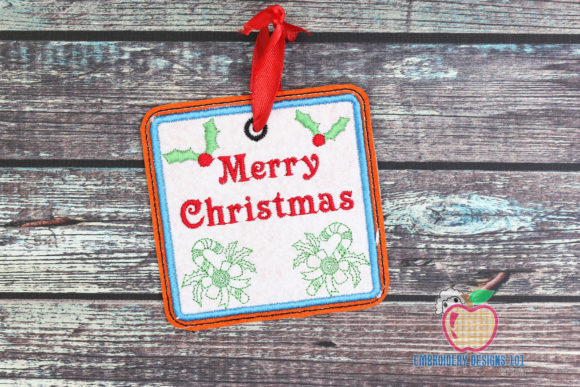
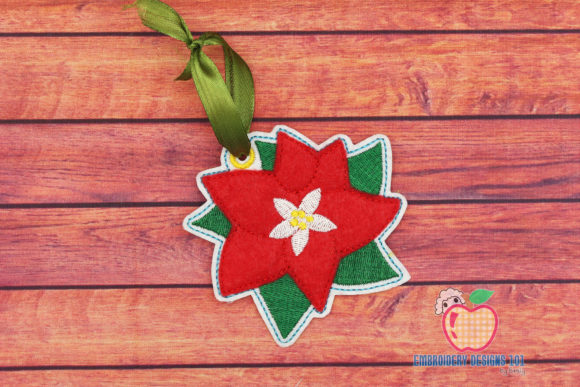
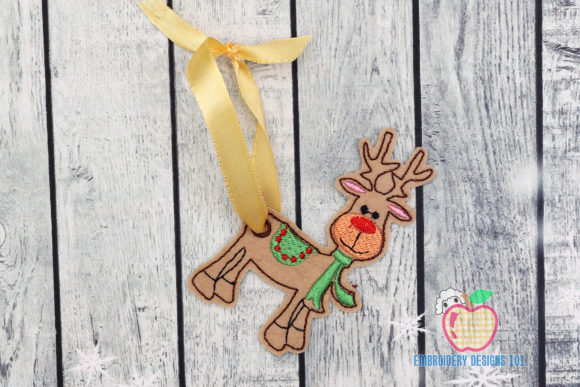
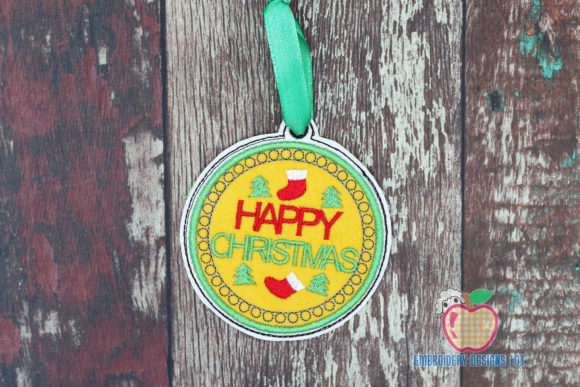
My first impression of this design was that it captures a specific nostalgic mood essential for successful holiday embroidery. The layout feels balanced within the limited 4x4 workspace, avoiding the cluttered look that often plagues smaller ornament designs. Visually, it suggests a cozy, traditional aesthetic rather than a modern minimalist vibe. For a maker, this means the design naturally pairs with classic textures like felt, wool blends, or cotton quilting fabrics. It does not scream "digital art"; instead, it looks like a thoughtful handmade product that belongs on a family tree or tucked into a gift basket.
Real-World Application: Stocking Stuffers and Boutique Add-Ons
To truly judge this embroidery file, I mentally placed it in a real-life production scenario. Imagine you are an Etsy seller preparing for the November rush. You have already listed heavy items like sweatshirts and blankets, but you need a low-cost, high-margin add-on to increase average order value. This is where the Christmas Socks ITH Ornament shines. During my evaluation, I envisioned using this design to create personalized stocking stuffers for a client’s corporate holiday party.
Because it is an ITH project, the entire construction happens in the hoop. This is a massive time-saver for commercial embroidery workflows. In my test scenario, I considered pairing these ornaments with custom tags or attaching them to tote bag design zippers as a festive accent. The 4x4 size is perfect for this because it remains lightweight. If you were stitching this onto a baby onesie or a delicate nursery pillow, the compact footprint ensures the garment doesn't become stiff or heavy. For personalized gift makers, the flat surface area of the sock shape offers just enough room for a short name or year, making it an ideal vehicle for customization without requiring complex re-digitizing.
Technical Performance and Fabric Considerations
While the visual appeal is strong, technical execution is what separates professional results from amateur crafts. Since this fits a 4x4 hoop size, registration is paramount. In ITH projects, if your fabric shifts even a millimeter during the placement stitches, your final satin border will miss the edge. I strongly advise checking your machine’s tension and using the appropriate stabilizer before committing to expensive holiday fabrics. For this specific ornament, a medium-weight tear-away or wash-away stabilizer usually works best, depending on whether you are using felt or woven cotton.
You must also consider fabric texture carefully. While this design is versatile, it requires caution on certain materials:
- Stretchy Fabrics: Avoid using knits or spandex blends for the base of an ITH ornament unless heavily stabilized. The structure needs stability to hang correctly on a tree.
- High-Pile Textures: Fleece or minky can bury running stitches. If you want that cozy texture, use a water-soluble topping to keep the details crisp.
- Dark Fabrics: Ensure your thread colors provide sufficient contrast. A dark green sock on black felt will disappear in photos and in person. Test visibility first.
- Layered Garments: Do not attempt to stitch this directly onto a finished sweater or thick coat. This is a standalone construction design meant to be assembled in the hoop, not applied as a patch.
I also reviewed the potential stitch density. In a 4x4 format, designers sometimes overcompensate for small details by increasing density, which leads to puckering. When testing the Christmas Socks ITH Ornament, pay close attention to how the fill stitches interact with the satin borders. If you notice gaps or excessive bulk, adjust your tension or switch to a lighter weight thread. Remember, a bulky ornament looks less refined and may warp over time.
Enhancing Product Value and Customer Trust
For creative entrepreneurs, this design is more than just a pretty picture; it is a tool for building brand consistency. High-quality finished product photos are essential. Because this is a small item, macro photography works beautifully to show off stitch definition. When listing this on platforms like Etsy or at craft fairs, emphasize the "In-The-Hoop" construction method in your description. Educated buyers understand that ITH items often feature cleaner edges and better durability than glued alternatives.
Furthermore, consider how this design integrates with your existing catalog. Does it match the style of your sweatshirt embroidery or baby embroidery lines? Consistency builds trust. If your shop specializes in modern boho aesthetics, ensure the thread palette you choose for these socks aligns with that brand identity. Muted earth tones or vintage whites might work better than traditional bright reds and greens, depending on your niche. This adaptability makes the Christmas Socks ITH Ornament a valuable design asset across multiple product categories.
Essential Designer Notes Before Stitching
Before you load this digital embroidery file for a client order or batch production, run through this practical checklist. These steps save time, thread, and reputation:
- Consult the Tutorial: This product includes a step-by-step PDF tutorial. Read it entirely before hooping. ITH sequences vary by digitizer, and assuming the steps based on previous designs is a common error.
- Test on Scrap: Never stitch the first version on your final fabric. Use scraps of the exact same material and stabilizer combination to verify alignment and coverage.
- Check Licensing: Confirm whether your purchase allows for commercial use of the physical item versus the digital file itself. Most licenses permit selling the stitched ornament but prohibit reselling the embroidery file.
- Mockup Verification: Create a printable mockup or digital preview to visualize colorways before stitching. This helps in planning thread inventory and presenting options to clients.
- Detail Inspection: Zoom in on the design in your software. Check that tiny elements like toe seams or heel accents are wide enough to stitch clearly. If they are too narrow for your needle size, simplify them.
- Wash Testing: If marketing these as heirloom keepsakes or items for children, wash your test sample. Ensure the stabilizer dissolves completely and the threads do not bleed.
The Christmas Socks ITH Ornament represents a sweet spot in machine embroidery: accessible enough for hobbyists yet efficient enough for small shop product lines. Its success relies entirely on your attention to material selection and construction precision. By treating this design with professional scrutiny rather than casual enthusiasm, you transform a simple digital file into a tangible piece of holiday tradition that carries real value. Whether you are embellishing a custom apparel line or creating standalone treasures, let practical judgment guide your needle.