Rudolph Applique: A Designer Review for Business Merch
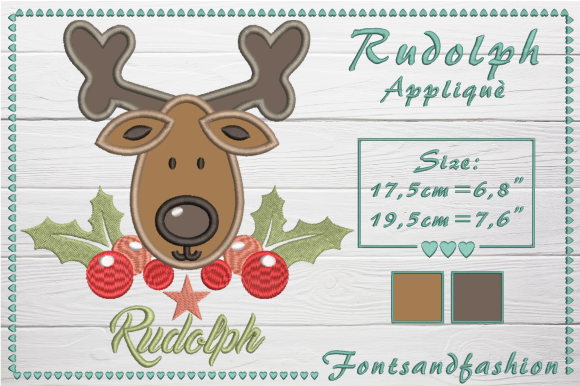
As a professional embroidery digitizer and designer, I approach every machine embroidery design with a critical eye toward production viability. When evaluating the "RUDOLPH_ Appliquè" file for commercial application, my primary concern is not just aesthetic appeal, but how the design translates from a digital screen to a tangible asset for small business merchandise. This review dissects the utility of this specific embroidery file for apparel decorators, Etsy sellers, and local businesses looking to leverage seasonal branding without sacrificing professional quality.
First Impressions: Visual Personality and Professionalism
Upon loading the Rudolph Applique design into my software, the immediate impression is one of nostalgic warmth balanced with structural clarity. Because this is an appliqué design rather than a full-fill stitch motif, it possesses a lighter visual weight that is crucial for modern custom apparel. The hand-digitized nature mentioned in the product description suggests organic stitch paths rather than rigid, auto-generated fills. For a business owner, this distinction matters. Auto-digitized files often result in stiff, bulletproof patches that distort fabric, whereas hand-digitized appliqué retains drape and flexibility.
The design reads as friendly and rustic yet polished enough for retail. It avoids the overly cartoonish aesthetic that can cheapen a brand, instead offering a classic interpretation suitable for high-end boutiques, artisanal bakeries, or florists. The bold shapes inherent in appliqué work ensure readability at various sizes, which is the cornerstone of effective brand identity in textile decoration. However, because this is a Christmas-themed asset, its shelf life is seasonal. Businesses must plan their production calendar to maximize ROI during the holiday rush while ensuring the design complements their existing year-round aesthetic.
Commercial Applications for Small Business Merch
The versatility of Rudolph Applique lies in its construction. Appliqué is inherently faster to stitch out than dense satin or fill designs, reducing machine run time and increasing profit margins for commercial embroidery projects. Here is how I evaluate this design across different business verticals:
- Hospitality and Cafés: As an apron embroidery accent, this design works exceptionally well on canvas or denim bibs. The appliqué texture adds a tactile element that feels handmade and welcoming, perfect for coffee shops promoting seasonal lattes or holiday markets.
- Retail and Boutiques: For tote bag design, the lightweight nature of appliqué prevents the bag from sagging. It serves as an excellent limited-edition holiday shopper gift or upsell item that reinforces customer loyalty.
- Creative Studios and Makers: Etsy sellers can utilize this as a branded packaging accent on muslin drawstring bags or as a collectible embroidered patch included with orders. The festive theme encourages unboxing content sharing on social media.
- Staff Uniforms: For businesses wanting temporary holiday branding without committing to new uniforms, this design functions beautifully as a sleeve detail or chest logo accent on existing polos or cardigans.
Technical Constraints and Production Considerations
While Rudolph Applique offers significant creative potential, it requires careful handling during production. As a designer, I must highlight specific technical limitations to prevent costly reworks.
Sizing and Detail Integrity
Appliqué relies on clean tack-down stitches and precise cutting. If you intend to use this for cap embroidery, verify the minimum size requirements before hooping. Curved surfaces like hat fronts can cause registration issues if the design is scaled too small. The placement stitches may not align perfectly with the fabric edge on a curve, leading to fraying or gaps. Always test on a curved surface specifically, not just flat stock.
Fabric Texture and Stabilizer Selection
The interaction between the appliqué fabric and the base material is critical. On textured fabrics like fleece or terry cloth, the tack-down stitches can get lost, causing the appliqué piece to shift. You must use appropriate stabilizer strategies—likely a combination of cut-away backing and a water-soluble topping—to maintain crisp edges. Conversely, on dark uniforms, ensure your appliqué fabric provides sufficient contrast against both the garment and the thread colors used for the outline. Poor contrast kills visibility and diminishes the perceived value of the finished product.
Washability and Durability
For items requiring frequent laundering, such as staff aprons or children’s wear, inspect the raw edge finishing method within the file. Some appliqué designs rely solely on a satin border, while others include internal anchoring. For high-wear small business merch, I recommend adding additional security stitching during the editing phase if the original file lacks it. This ensures the design survives industrial washing cycles without peeling.
Impact on Brand Value and Customer Engagement
Incorporating Rudolph Applique into your product line signals attention to detail. Unlike generic clip-art embroidery, a specialized appliqué design implies a curated, thoughtful approach to merchandising. For handmade brands, this aligns perfectly with the ethos of craftsmanship. Customers recognize the difference between mass-produced prints and textured embroidery; the latter commands higher price points and fosters deeper emotional connections.
Furthermore, using seasonal design assets strategically creates urgency. A bakery offering tote bags featuring this design for six weeks generates more excitement than keeping them available year-round. It transforms a standard promotional item into a collectible. However, consistency is key. Ensure the thread palette matches your core brand colors where possible, or intentionally deviate only if the holiday collection is marketed as a distinct capsule line. Visual coherence builds trust, even when introducing festive elements.
Essential Pre-Production Checklist for Designers
Before running a single production unit with Rudolph Applique, adhere to this professional validation protocol. Skipping these steps is the most common cause of failure in digital embroidery file implementation.
- Verify Licensing: Confirm the commercial usage rights immediately. Just because a file is purchasable does not mean it is cleared for resale on merchandise. Protect your business legally.
- Stitch Out Testing: Never assume the digital preview equals reality. Run a test sew-out on the exact fabric and hoop size intended for production. Check for puckering, gap formation, and trim accuracy.
- Black and White Evaluation: Print a grayscale version of the design or view it in monochrome in your software. If the design loses definition without color, the contrast values are insufficient for real-world viewing conditions.
- Create Printable Mockups: Before investing in inventory, generate a realistic printable mockup to show clients or stakeholders. This manages expectations regarding scale and placement on the actual garment.
- Thread Color Audit: Compare your physical thread chart against the design’s suggested palette. Screen colors are deceptive. Select threads based on fabric swatches under natural lighting to ensure the festive reds and greens do not clash with your base apparel colors.
- Scale Verification: Test the design at both its maximum and minimum viable sizes. Appliqué has strict lower limits; pushing it too small will result in needle strikes missing the fabric edge entirely.
Rudolph Applique represents a strong opportunity for seasonal revenue generation when treated as a professional manufacturing component rather than a simple decoration. By respecting the technical parameters of appliqué and aligning the design with strategic business goals, embroiderers can create merchandise that delights customers and strengthens brand equity. Remember, the success of any handmade product lies in the execution. Validate your files, test your materials, and produce with confidence.