Christmas Ho Ho No: A Designer’s Merch Review
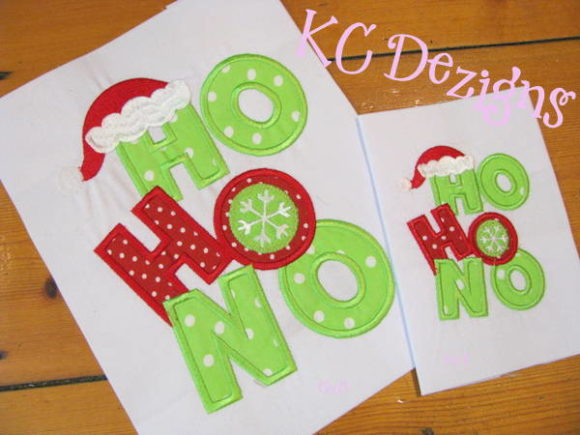
As an embroidery designer who specializes in commercial branding and small business merchandise, I approach every seasonal design with a critical eye. While the holiday season invites whimsy, business assets must still perform functionally. When evaluating the Christmas Ho Ho No machine embroidery design for professional use, my primary focus is versatility. Can this design transition from a festive cushion cover to a branded staff apron or a retail tote bag without losing its integrity? For shop owners, Etsy sellers, and apparel decorators, the answer lies in understanding how this digital embroidery file behaves under production conditions.
Visual Personality and Brand Alignment
The title Christmas Ho Ho No immediately suggests a playful, conversational tone. In the context of brand identity, this moves away from stiff corporate aesthetics and leans into the "handmade product" vibe that modern consumers crave. For a local bakery, florist, or creative studio, this design offers a touch of personality that standard logos often lack. It feels friendly and approachable rather than overly formal.
However, "playful" does not mean unprofessional. When reviewing this design for custom apparel, I look for clean lines and intentional spacing. A design intended for t-shirts and cushion wraps must have enough visual weight to be legible from a distance but enough refinement to look premium up close. If your business relies on a rustic or vintage aesthetic, this design likely complements that narrative well. Conversely, if your brand is ultra-modern or minimalist, you must assess whether the stylistic elements of Christmas Ho Ho No align with your existing design assets before committing to a production run.
Commercial Applications Beyond Home Decor
While the product description highlights cushion covers and wraps, small business owners should view this embroidery file through a wider lens. Seasonal merchandise is a significant revenue driver, and this design has potential across multiple categories:
- Staff Uniforms and Aprons: For cafes and bakeries, adding Christmas Ho Ho No as a sleeve detail or pocket accent creates instant seasonal ambiance. It signals to customers that the business is engaged and celebratory.
- Retail Tote Bags: Canvas totes are high-margin items during the holidays. This design can serve as a standalone graphic or a complementary element next to your primary logo.
- Embroidered Patches: Creating iron-on or sew-on patches allows for flexible inventory. You can apply them to caps, denim jackets, or even product packaging without embroidering directly onto the item.
- Customer Gifts: Branded tea towels or napkins featuring this design add perceived value to purchases and encourage social media sharing.
In each of these scenarios, the design acts as a bridge between holiday cheer and brand recognition. It transforms a generic seasonal item into a specific asset for your business.
Technical Considerations for Production
A beautiful screen image does not guarantee a successful stitch-out. As professionals, we must evaluate the technical limitations of Christmas Ho Ho No before loading it into our machines. The description notes that the design comes in multiple sizes, which is crucial for commercial embroidery. However, resizing affects stitch density and registration.
Stitch Density and Fabric Texture: If you plan to use this on textured fabrics like linen aprons or fleece sweatshirts, verify the underlay stitching. Playful lettering or intricate details can get lost in the pile if the foundation isn't stable. Conversely, on smooth performance wear or cap fronts, excessive density can cause puckering or needle breaks. Always test the specific size you intend to use on the actual fabric substrate.
Small Patch Sizes and Legibility: There is a trend toward micro-patches and subtle branding. If you reduce Christmas Ho Ho No to fit a 2-inch area, inspect the smallest text elements. Thin serifs or tight kerning may merge when stitched at miniature scales. In such cases, you may need to edit the file to simplify details or increase spacing to maintain clarity.
Cap Embroidery Challenges: Caps present unique difficulties due to their curved surface and center seam. Ensure the design’s aspect ratio suits a cap front. Tall, vertical designs often distort on hats; wider, horizontal layouts generally perform better. Confirm the hoop size compatibility before purchasing or digitizing adjustments.
Impact on Customer Trust and Product Value
Why invest time in testing a seasonal design? Because execution quality directly correlates to customer trust. A poorly registered, thread-bare, or distorted embroidery job makes a business look amateurish, regardless of how good the actual product is. When Christmas Ho Ho No is executed correctly—with crisp edges, proper tension, and appropriate stabilizer—it elevates the perceived value of the finished product.
For Etsy sellers and handmade brands, consistency is key. Using a cohesive design language across your shop photography, packaging, and merchandise builds a recognizable brand. This design can serve as a recurring motif that ties your holiday collection together. Furthermore, offering limited-edition seasonal merch creates urgency and engagement. Customers are more likely to purchase a tote bag or sweatshirt that feels exclusive and timely.
Designer’s Checklist Before Stitching
To ensure success with Christmas Ho Ho No in a commercial setting, follow this practical workflow:
- Verify Licensing: Before selling any item featuring this design, confirm the commercial licensing terms. Some files are for personal use only; ensure you have the right to use it for profit.
- Create a Printable Mockup: Use software to visualize the design on the garment before wasting materials. Share this mockup with clients or team members for approval to avoid costly re-dos.
- Test in Black and White: Run a sample using a single thread color first. This reveals structural issues, jump stitch paths, and registration problems without the distraction of multiple thread colors.
- Check Thread Color Contrast: Holiday designs often use red and green. Ensure these colors contrast sufficiently against your base fabric. Dark green on a navy shirt will disappear; consider metallic or cream accents for visibility.
- Select Proper Stabilizer: Do not rely on guesswork. Use cut-away for stretchy knits, tear-away for stable wovens, and water-soluble toppings for high-pile fabrics like towels or fleece.
- Compare Beside Other Assets: Print out your current logo and place it next to a stitch-out of Christmas Ho Ho No. Do they look like they belong to the same family? Adjust scale or thread sheen if necessary to maintain visual harmony.
Final Thoughts for Business Owners
Christmas Ho Ho No represents an opportunity to inject seasonal warmth into your business operations, but it requires professional diligence. Whether you are creating staff uniforms, retail merchandise, or client gifts, treat this machine embroidery design as a production asset. By respecting technical constraints regarding stitch density, hoop size, and fabric compatibility, you ensure that the final result reflects the quality of your brand. Always review the specific file details provided by the digitizer, test thoroughly on your intended materials, and leverage this design to create meaningful connections with your customers this holiday season.