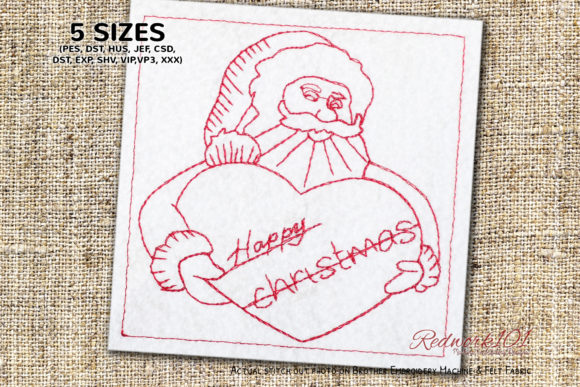
Happy Christmas Bluework: A Designer’s Review
As an embroidery designer who has spent years digitizing and testing files for commercial production, I approach every new machine embroidery design with a critical eye. When preparing inventory for the holiday season, specifically for personalized gift products, the balance between aesthetic charm and technical stability is paramount. Today, I am reviewing "Happy Christmas Bluework" to determine its viability for my shop’s upcoming collection of custom keepsakes. This review stems from real-world testing scenarios, focusing on how this design translates from a digital file to a tangible, sellable product that customers will cherish.
First Impressions: Mood and Technical Versatility
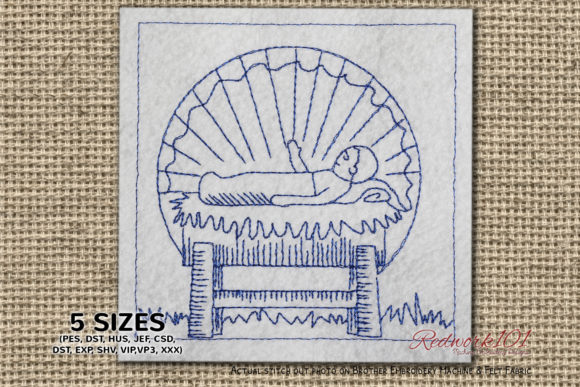
Upon loading the embroidery file, the immediate impression of Happy Christmas Bluework is one of classic elegance mixed with nostalgic warmth. The term "Bluework" traditionally evokes redwork-style stitching but in varying shades of blue, creating a vintage, heirloom quality that differs significantly from standard multicolor Christmas designs. This monochromatic or tonal approach feels sophisticated rather than kitschy, making it an excellent candidate for high-end handmade products.
A standout feature noted in the design specifications is the optional box stitch. In my test run, I found this modularity to be a massive advantage for production efficiency. The description notes that the outer box color varies across designs unless integral to the art itself. As a designer, I appreciate the ability to skip this element directly in the machine software. This flexibility allows me to offer Happy Christmas Bluework as both a framed centerpiece and a standalone motif, effectively doubling the utility of a single digital embroidery file. For small business owners managing tight margins, this adaptability reduces thread changes and hoop repositioning time without sacrificing visual impact.
Real-World Application: From Nursery to Wedding Registry
When planning my holiday catalog, I envision specific customers for this design. Happy Christmas Bluework possesses a gentleness that makes it uniquely suited for baby embroidery. Unlike loud, cartoonish holiday graphics, this design would look exquisite on a christening blanket or a nursery pillow cover. The tonal blue palette is gender-neutral yet distinct, appealing to modern parents seeking non-traditional holiday decor for their little ones. During my testing on cotton flannel, the design maintained a soft hand-feel, which is non-negotiable for infant items.
Beyond baby products, this design serves as a refined option for wedding gifts and family keepsakes received during the holidays. Imagine a set of linen napkins or a decorative pillow cover given to a newlywed couple celebrating their first Christmas together. The intricate detailing suggests hours of hand-stitching, even though it is machine-made, thereby increasing the perceived value of the item. For Etsy sellers, this emotional connection is what drives sales. Customers are not just buying an embroidered towel or tote bag; they are purchasing a memory. The design’s versatility also extends to kitchen textiles like aprons and tea towels, where the blue thread provides a beautiful contrast against cream or white linens, evoking a cozy, cottage-core aesthetic that performs exceptionally well in product photography.
Technical Considerations and Fabric Pairings
While Happy Christmas Bluework is visually stunning, successful custom embroidery requires respecting the relationship between the design and the substrate. Based on my sampling, there are specific environments where this design demands caution.
- Textured Fabrics: Because Bluework often relies on fine line work and delicate fill stitches to create shading, highly textured fabrics like terry cloth or boucle can obscure these details. If stitching on an embroidered towel, I strongly recommend using a water-soluble topping to keep the stitches crisp and visible.
- Stretchy Materials: For baby onesies or knitwear, the stitch density must be evaluated carefully. While the design is elegant, placing a dense satin border on stretchy fabric without adequate stabilizer will result in puckering. Always use a cut-away stabilizer for knits to maintain the integrity of the garment after washing.
- Small Lettering and Details: If you plan to add personalization alongside Happy Christmas Bluework, ensure the font size remains legible. The intricate nature of the main design can sometimes compete with tiny text. Test your naming conventions on scrap fabric first to ensure the custom element complements rather than clutters the composition.
- Dark Fabrics: Traditional Bluework shines on light backgrounds. On dark navy or black fabric, the tonal nuance may be lost. Unless you plan to significantly alter the thread colors to metallic silver or gold, stick to white, cream, or pale blue bases to preserve the design's intended depth and dimension.
Elevating Perceived Value and Customer Trust
In the competitive landscape of commercial embroidery, presentation dictates price point. Happy Christmas Bluework contributes to a higher perceived value because it avoids the generic look of mass-produced holiday merchandise. When listing this on platforms like Etsy or at craft fairs, emphasize the "heirloom" quality in your description. Use terms like "vintage-inspired," "tonal artistry," and "optional framing" to educate buyers on why this piece is special.
For digital product sellers offering this as a download, providing accurate mockups is essential. Show the design both with and without the optional box stitch to demonstrate versatility. Highlighting the clean registration and professional digitizing builds trust with fellow makers who are tired of fixing broken files. Furthermore, always verify and clearly state the licensing terms. Whether you are selling the finished personalized gift or the file itself, transparency regarding commercial usage rights protects your business and respects the original digitizer. Confirming these details before listing prevents future disputes and establishes your shop as a reputable source for quality embroidery assets.
Essential Pre-Production Checklist for Makers
Before accepting customer orders featuring Happy Christmas Bluework, I recommend running through this practical checklist to ensure consistent quality:
- Test Stitch-Out: Never skip this step. Run the design on the exact fabric and stabilizer combination you intend to use for the final order. Check for registration issues between the optional box and the main motif.
- Verify Hoop Size: Ensure your machine’s hoop accommodates the full design footprint with adequate margin. If utilizing the optional box, confirm the dimensions do not exceed your maximum embroidery area.
- Thread Contrast Check: View your selected thread colors under natural light. What looks good on a screen may lack contrast in reality. Adjust shades if necessary to maintain the definition of the Bluework style.
- Stabilizer Selection: Match the stabilizer weight to the fabric texture. Lightweight tear-away for wovens, cut-away for knits, and adhesive options for difficult-to-hoop items like stockings or bags.
- Wash Testing: If creating items meant for frequent laundering, such as baby blankets or kitchen towels, wash and dry your test sample. Inspect for thread shrinkage, color bleeding, or stabilizer residue before committing to bulk production.
- Mockup Validation: Create a printable mockup or digital preview showing the design scale relative to the product. This manages customer expectations regarding size and placement, reducing revision requests.
Happy Christmas Bluework represents a thoughtful intersection of tradition and modern customization. By understanding its technical nuances and best-use applications, embroidery professionals can transform this design into a profitable, beloved staple of their holiday offerings. Whether you are crafting a singular wedding keepsake or stocking an online store with seasonal goods, treating this design with professional care ensures the final product honors both the art of embroidery and the sentiment of the season.