Bethlehem Christmas Bluework: A Designer’s Review
As an embroidery designer who has spent years digitizing and testing files for commercial production, I approach every new machine embroidery design with a critical eye. When preparing inventory for the holiday season, specifically for personalized gifts, the balance between aesthetic appeal and stitch-out reliability is paramount. Recently, I tested the Bethlehem Christmas Bluework design to determine its viability for my shop's upcoming collection of heirloom-quality goods. This review reflects my hands-on experience stitching this file onto various substrates intended for baby items, wedding keepsakes, and home decor, offering practical insights for fellow makers and Etsy sellers.
First Impressions: Mood and Emotional Resonance
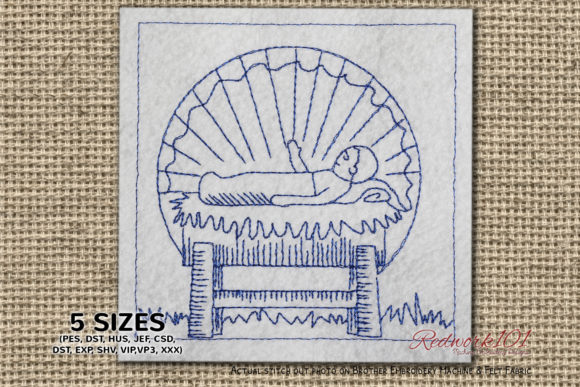
The initial digital preview of Bethlehem Christmas Bluework suggests a classic, serene aesthetic that aligns perfectly with traditional holiday sentiments. Unlike high-contrast red and green designs that can sometimes feel kitschy or overly commercial, this bluework style evokes a sense of calm elegance and vintage charm. For a personalized gift, this mood is significant. Customers seeking meaningful items often gravitate toward softer, more sophisticated palettes that suggest longevity rather than temporary seasonal decoration.
Upon loading the embroidery file into my software, the design appears clean with distinct separation between elements. The bluework technique relies heavily on texture and tonal variation rather than color saturation, which immediately signals a higher perceived value. It feels handmade and intentional, qualities that are essential for justifying premium pricing in a small shop product lineup. The emotional appeal here is strong; it whispers "heirloom" rather than shouting "holiday sale," making it an excellent candidate for customers looking for sentimental value over flashiness.
Navigating the Optional Box Stitch Feature
A crucial technical note for anyone purchasing this digital embroidery file involves the framing element. The product description specifies that the box stitch shown in promotional images is optional. In my testing workflow, this modularity is a massive advantage. For a custom embroidery project like a monogrammed hand towel or a small bib, the outer box might consume too much hoop space or distract from the personalization. Being able to skip this element allows for greater versatility without needing to edit the design manually.
Furthermore, the description notes that the outer box color varies across designs unless integral to the artwork. As a professional, I advise treating the box as a separate layer. If you are creating a cohesive set of embroidered towels or nursery pillows where the background fabric changes, you may want to match the box thread to the fabric or omit it entirely to let the central Bethlehem motif stand alone. Always verify your specific file version before stitching, as assuming the box is permanent could limit your application options on smaller or darker fabrics.
Ideal Applications for Personalized Gifting
During my test runs, I evaluated Bethlehem Christmas Bluework across several product categories relevant to the holiday gifting market. Its versatility makes it a workhorse for multiple niches:
- Baby Embroidery: The soft blue tones and lack of harsh contrast make this ideal for nursery blankets and christening gowns. The design sits flat enough to be safe against sensitive skin, provided you use a tear-away stabilizer properly.
- Wedding Gift Keepsakes: For couples marrying during the holidays or those wanting a festive touch in their new home, this design works beautifully on linen pillow covers or guest towels. It bridges the gap between religious tradition and modern home decor.
- Kitchen and Dining: Tea towels and aprons benefit from the bluework style because it hides minor staining better than white-heavy designs while maintaining a festive look.
- Etsy Listings: Because the design photographs well with high contrast against cream or white fabrics, it creates stunning listing photos that drive click-through rates.
For blanket embroidery specifically, the design scales well. However, always check the maximum dimensions against your hoop size. If you are downsizing significantly for a baby onesie, ensure the intricate details of the bluework do not become muddy. The design’s strength lies in its medium-to-large format applications where the stitch texture can be fully appreciated.
Technical Considerations and Fabric Limitations
While Bethlehem Christmas Bluework is versatile, it requires careful substrate selection. Bluework relies on the interplay of thread and fabric; therefore, it does not perform equally on all materials. During testing, I found that highly textured fabrics like terry cloth or thick fleece can obscure the delicate shading stitches characteristic of this style. If you must stitch on an embroidered towel, use a water-soluble topping to prevent the stitches from sinking into the pile.
Dark fabrics present another challenge. Since bluework is tonal, placing navy or medium-blue threads on black or dark grey fabric will result in a loss of definition. This design shines best on light neutrals: ivory, cream, pale blue, or white. Additionally, be cautious with stretchy knits often used in baby clothes. The stitch density required for the shaded areas can cause puckering on unstable fabrics. Always use a cut-away stabilizer for stretch materials and consider a lighter density version if your software allows for modification.
Small lettering is another area requiring vigilance. If you plan to add a family name or date below the Bethlehem motif, ensure the font size remains legible after washing. Test the combined layout on scrap fabric first. The visual weight of the bluework design is substantial; pairing it with a spindly, thin script font can create an unbalanced composition. Opt for a serif or block font that complements the traditional nature of the artwork.
Commercial Viability and Customer Trust
For business owners, the true test of any commercial embroidery asset is its ability to convert browsers into buyers. Bethlehem Christmas Bluework supports this by offering a "safe" yet distinctive option for conservative buyers who still want something special. When photographing finished products for social media or marketplace listings, the blue tones pop against natural wood backgrounds or greenery, enhancing the seasonal atmosphere without relying on cliché props.
Transparency builds trust. When listing this as a handmade product, clearly state whether the box frame is included in the customer's specific item. Showing both versions—with and without the box—in your printable mockup or listing photos helps manage expectations and reduces return requests. Furthermore, always confirm your licensing rights before selling. While this review focuses on the physical output, ensuring you have the correct commercial license for the digital embroidery file protects your business long-term.
Final Production Notes for Makers
Before adding Bethlehem Christmas Bluework to your permanent holiday rotation, conduct a thorough production test. Stitch out the design on the exact fabric you intend to sell. Check the back of the embroidery for excessive jump stitches or bobbin thread show-through, which can detract from the premium feel of a wedding gift or nursery item. Verify that your thread colors match the chart provided by the digitizer, as substituting shades can alter the depth perception essential to bluework.
Ultimately, this design succeeds because it respects the intelligence of the maker and the sentiment of the recipient. It offers enough complexity to showcase machine capabilities while remaining accessible enough for efficient production. Whether you are creating a custom tote bag for a craft fair or a bespoke blanket for a private client, Bethlehem Christmas Bluework provides a reliable, emotionally resonant foundation for profitable and meaningful holiday embroidery.