Christmas Stocking and Bear Redwork Review
As I curate my seasonal collection for the upcoming holiday rush, finding designs that balance nostalgia with modern commercial appeal is always a priority. When evaluating Christmas Stocking and Bear Redwork for my shop, I immediately recognized its potential as a versatile anchor piece for holiday inventory. This design captures a specific emotional tone that resonates deeply with shoppers looking for authentic, cozy holiday decor. As an experienced embroidery designer, I look beyond the preview image to understand how a digital embroidery file will actually perform on various substrates and whether it offers enough flexibility for multiple product lines. My assessment focuses on stitch quality, adaptability, and the overall value this machine embroidery design brings to a professional or hobbyist portfolio.
First Impressions: Nostalgic Charm and Seasonal Mood
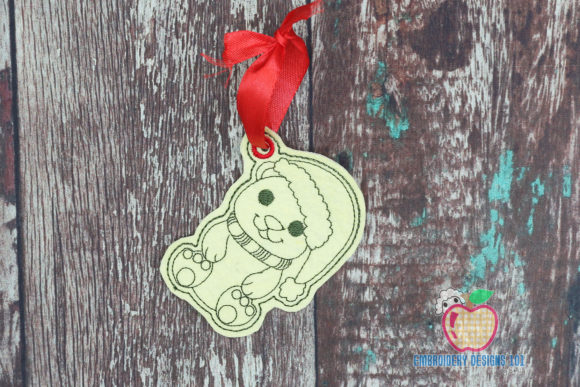
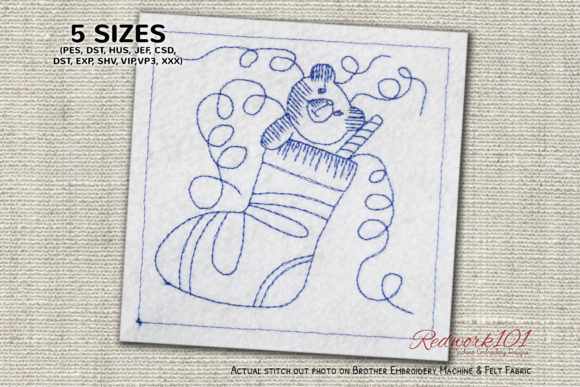
The initial visual impact of Christmas Stocking and Bear Redwork is undeniably warm and traditional. Redwork, by definition, relies on line art and negative space rather than dense fill stitches, which gives this design a lightweight, vintage aesthetic. It feels less like mass-produced clip art and more like a cherished heirloom pattern. For Etsy sellers and handmade gift makers, this nostalgic quality is a significant selling point. Customers are currently gravitating toward designs that evoke memories of simpler times, and this bear motif nestled in a stocking hits that mark perfectly.
From a technical design perspective, the redwork style is advantageous for production speed. Because it avoids heavy saturation, it stitches out faster than complex scenic designs, allowing for higher turnover during peak season. The playful yet elegant nature of the bear makes it suitable for both children’s items and adult home decor, broadening its marketability. However, the true test lies in how well the digitizer handled the curves and connection points, ensuring the design remains stable without excessive jump stitches.
Commercial Applications for Holiday Product Lines
When planning a seasonal shop collection, versatility is key to maximizing return on investment. Christmas Stocking and Bear Redwork performs exceptionally well across several high-demand categories. For apparel decorators, this design is ideal for sweatshirt embroidery. The lighter stitch density associated with redwork means it won't create a stiff, bulletproof patch on soft fleece fabrics, maintaining the garment's comfort and drape. This is crucial for customers who want festive wearables they can actually enjoy wearing all day.
Beyond apparel, this embroidery file shines in home decor applications. Kitchen towel embroidery is a staple of holiday craft fairs, and this bear design scales beautifully for tea towels and flour sack linens. The open nature of the stitches allows the fabric texture to show through, creating a premium, integrated look rather than a sticker-like appearance. For those creating personalized gifts, the negative space around the stocking offers ample room for adding custom names or dates using complementary fonts. This customization capability transforms a standard digital embroidery file into a unique keepsake, significantly increasing perceived value.
I also see strong potential for tote bag designs and pillow covers. Tote bags are popular holiday shopping companions, and a festive bear adds immediate seasonal relevance. For pillow covers, the design serves as a charming accent that pairs well with plaid or velvet backgrounds. Small business owners should also consider using this design for embroidered patches or ornaments, where the compact size and clear lines ensure readability even at smaller dimensions.
Navigating Technical Constraints and Fabric Choices
While Christmas Stocking and Bear Redwork is versatile, it requires careful application to avoid production issues. Redwork demands precision; because there are no fill stitches to hide imperfections, registration errors or tension issues become immediately visible. When working with stretchy garments like sweatshirts or knits, proper stabilizer selection is non-negotiable. A cut-away stabilizer is often necessary to prevent the fabric from shifting during the stitching of fine lines, which could result in jagged edges or misaligned details.
Fabric texture plays a massive role in the success of this design. On thick terry cloth towels or high-pile fleece, the delicate lines of the bear may get lost or sink into the nap. In these cases, using a water-soluble topping is essential to keep the stitches crisp and visible. Conversely, on very sheer or lightweight fabrics, the stitch density might be too concentrated, causing puckering. Always run a test stitch-out on your intended substrate before committing to bulk production.
Designers must also be mindful of hoop size limitations. While redwork is generally scalable, reducing this design too much can cause the bear’s facial features or the stocking details to merge. Check the minimum recommended size in the Creative Fabrica embroidery product details to maintain legibility. Additionally, if you plan to use metallic threads for a festive shimmer, be aware that metallics require slower machine speeds and larger needles to prevent breakage, especially in the continuous running stitches typical of redwork.
Understanding Optional Elements and Color Management
A unique feature of this specific product is the optional box stitch element. The product description notes that the box stitch shown is optional and that the outer box color varies unless integral to the design. As a professional, I appreciate this modularity. It allows me to decide whether the framing element suits the specific project. For a standalone ornament, the box might provide necessary structure; for a busy apron front, skipping the box creates a cleaner, softer look.
Color management is another area where this design offers flexibility. Since the outer box color changes across variations, users have the freedom to skip that color change entirely if it clashes with their chosen fabric or thread palette. This is particularly useful for small shop products where inventory efficiency matters. You can match the bear and stocking to your brand’s signature holiday colors without being forced into a specific frame color. Always review the color chart in the embroidery file before stitching to identify which elements can be safely omitted or modified without compromising the design's integrity.
Strategic Planning for Seasonal Sales Success
Incorporating Christmas Stocking and Bear Redwork into your lineup requires strategic foresight. Before listing finished products, verify the licensing terms on Creative Fabrica to ensure commercial use is permitted for your specific business model. Creating realistic printable mockups is also vital; because redwork is linear, flat digital mockups can sometimes look sparse. Photographing actual stitch-outs on textured fabrics helps convey the tactile quality and craftsmanship to online buyers.
Consider how this design fits into your broader brand consistency. Does the nostalgic bear align with your existing aesthetic? If your shop focuses on modern minimalism, this might serve as a special heritage collection piece rather than a core offering. For craft fair vendors, grouping items featuring this design—such as a matching kitchen towel and oven mitt set—can encourage bundle purchases. The emotional connection evoked by the bear and stocking imagery drives impulse buys, especially when presented as a complete gift solution.
Designer Notes for Optimal Stitch Quality
To ensure your holiday embroidery projects meet professional standards, adhere to these practical guidelines when using Christmas Stocking and Bear Redwork:
- Test Thread Colors: Always test your red thread on both light and dark fabrics. Some reds bleed or appear pinker on certain materials. Verify colorfastness if the item will be washed frequently.
- Check Stitch Density: Review the density settings in your software. If the redwork lines feel too abrasive on baby items or delicate apparel, consider adjusting the density or using a finer thread weight like 60wt cotton.
- Confirm Hoop Size: Ensure your hoop provides adequate tension without distorting the design area. Using the smallest appropriate hoop reduces fabric movement and improves registration.
- Stabilizer Strategy: Match stabilizer weight to fabric weight. Use tear-away for stable woven fabrics and cut-away for knits. Never skip topping on textured surfaces.
- Detail Review: After your test stitch-out, inspect small details like the bear’s eyes or stocking hanger. These areas are most prone to error and should be verified before mass production.
- License Verification: Double-check Creative Fabrica product details regarding commercial limits, attribution requirements, and file format compatibility with your specific machine.
By approaching Christmas Stocking and Bear Redwork with both creative enthusiasm and technical diligence, you can transform this digital embroidery file into a profitable and beloved part of your seasonal offerings. Whether used for a personalized gift, a limited-edition sweatshirt, or a classic kitchen towel, this design carries the warmth and tradition that define successful holiday merchandise.