Cute Christmas Reindeer Redwork Review
As an embroidery designer who has digitized and tested thousands of holiday motifs, I approach every new machine embroidery design with a critical eye. When planning inventory for the upcoming season, specifically for personalized gift products, the balance between visual charm and technical stability is paramount. Today, I am reviewing the Cute Christmas Reindeer Redwork design to determine its viability for commercial production, Etsy listings, and custom client orders. This review focuses on real-world application, testing how this specific redwork style translates from a digital file to a tangible, high-quality handmade product.
First Impressions: Mood and Technical Charm
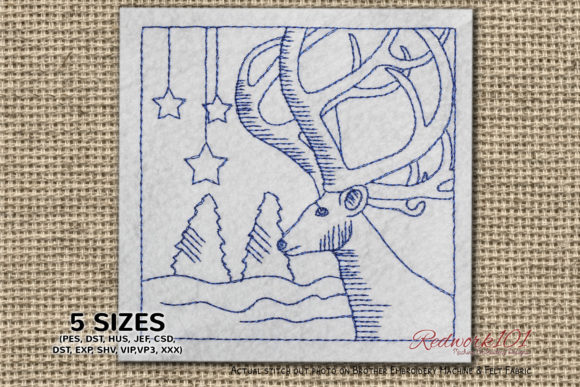
Upon loading the embroidery file into my software, the immediate impression is one of nostalgic warmth. Redwork, by definition, relies on line work rather than heavy fill stitches, which gives this reindeer a delicate, vintage aesthetic that feels distinctly handmade. The mood is sweet and playful without being overly juvenile, making it versatile for various demographics. Unlike dense satin stitch designs that can feel stiff or bulletproof on fabric, this design promises a soft hand-feel, which is essential for items intended for skin contact like baby blankets or apparel.
A crucial technical note from the product description is that the box stitch shown in promotional images is optional. As a professional, I appreciate this flexibility. In many redwork collections, outer borders are digitized in a contrasting color merely for display purposes. For a cohesive personalized gift, skipping the outer box or matching it to the main thread color often yields a more elegant result. This adaptability allows me to customize the design footprint based on the specific hoop size and item dimensions without compromising the integrity of the reindeer motif itself.
Ideal Applications for Personalized Gifts
When testing this design for my shop’s holiday lineup, I evaluated its performance across several key categories. The lightweight nature of redwork makes it exceptionally suitable for baby embroidery. Because there is minimal thread buildup, it remains safe and comfortable for nursery items, bibs, and receiving blankets. Parents seeking a meaningful keepsake often prefer this understated elegance over loud, cartoonish characters. For an Etsy seller focusing on neutral or boho-holiday aesthetics, this reindeer bridges the gap between traditional Christmas decor and modern minimalism.
Beyond baby products, this design performs beautifully on kitchen textiles. An embroidered towel featuring this reindeer in classic red thread on white flour sack cotton creates an instant heirloom feel. The running stitches penetrate the fabric weave cleanly without causing puckering, provided the correct stabilizer is used. For wedding gifts or family keepsakes, the design serves as an excellent companion to monograms. Its airy construction allows it to sit alongside script lettering without competing for visual attention, maintaining a balanced composition on pillow covers or tote bags.
Commercial Viability for Small Shops
For small business owners and craft fair vendors, production speed and perceived value are critical. Redwork designs typically have lower stitch counts than filled appliqué or complex scenic designs. This means faster run times and less thread consumption, improving profit margins on small shop products. Despite the efficiency, the intricate line work conveys high artistic value. Customers perceive the detailed stitching as labor-intensive and skillful, justifying a higher price point for custom embroidery services. Furthermore, because the design is not overly dense, it photographs exceptionally well. The texture of the stitches catches light differently than flat prints, enhancing product photography and increasing buyer engagement on social media platforms.
Navigating Fabric Limitations and Placement
While Cute Christmas Redwork is versatile, it requires careful placement planning. During my test runs, I noted specific challenges that makers must address to ensure professional results. Redwork relies on precise registration; therefore, highly textured fabrics like terry cloth or plush minky can obscure fine details. If using this design on an embroidered towel with a deep pile, a water-soluble topping is non-negotiable to prevent stitches from sinking into the nap. Similarly, stretchy baby clothes require a cut-away stabilizer and potentially a fusible backing to prevent distortion during the stitching process.
Dark fabrics present another consideration. Traditional redwork uses red thread on white fabric. On dark backgrounds, the contrast may be insufficient unless you switch to white or metallic threads. Always create a printable mockup or a physical test stitch-out on the actual garment fabric before committing to a customer order. Additionally, avoid placing this design across seams or curved surfaces like sleeve cuffs unless you are experienced with hooping techniques, as the continuous lines will highlight any misalignment. For items requiring frequent washing, such as aprons or children's clothing, verify that your thread tension is balanced to prevent snagging, as running stitches can be more vulnerable to abrasion than satin columns.
Essential Testing Protocol Before Selling
Before listing any finished product featuring this design, I recommend a rigorous testing protocol. Professional quality assurance separates hobbyists from established brands. Follow these steps to validate the design for your specific equipment and materials:
- Stitch Out on Scrap Fabric: Never assume a digital preview equals reality. Test on the exact fabric weight and weave you intend to sell.
- Verify Stabilizer Pairing: Experiment with tear-away versus cut-away options. Redwork generally prefers tear-away on stable wovens but needs cut-away for knits.
- Check Thread Color Contrast: View the test stitch-out in natural daylight and indoor lighting. Ensure the design pops against the background.
- Review Stitch Density: Run your finger over the sample. It should feel flat and integrated with the fabric, not raised or scratchy.
- Confirm Hoop Size Compatibility: Since the box is optional, measure the standalone reindeer to see if it fits smaller hoops for budget-friendly blanks.
- Validate Commercial Licensing: Always check the specific license terms included with the digital embroidery file. Confirm whether you can sell finished goods, modify the design, or use it for print-on-demand products.
- Test Wash Durability: Launder your sample using the care instructions you plan to provide to customers. Check for shrinkage, thread bleeding, or stabilizer residue.
Enhancing Customer Trust Through Quality
The decision to use Cute Christmas Reindeer Redwork in your collection signals a commitment to timeless craftsmanship. In a market saturated with generic clip art, offering a design that respects the traditions of needlework while serving modern gifting needs builds emotional connection. When a customer receives a wedding gift or nursery item embroidered with this motif, they are receiving something that feels curated and intentional.
For digital product sellers and designers, transparency is key. Clearly communicate in your listings that the outer box is optional and suggest alternative colorways for non-traditional holidays. Providing these insights demonstrates expertise and helps buyers achieve success with their own projects. Whether you are creating a signature line of holiday linens or fulfilling bespoke requests, this design offers the reliability and charm necessary for a thriving embroidery business. By respecting the technical nuances of redwork and pairing it with appropriate substrates, you transform a simple digital file into a cherished seasonal tradition.