Christmas Snowman: A Designer’s Stitch Test Review
When evaluating a new machine embroidery design for holiday production, I look beyond the digital preview. As a designer and product reviewer, my primary concern is how the file translates from screen to fabric. The Christmas Snowman design presents itself as a versatile, hand-digitized asset intended for various applications, from pillows to apparel. Having tested this specific embroidery file in a real-world studio environment, I can offer practical insights into its performance, versatility, and suitability for both personal crafting and commercial product lines.
First Impressions and Digital Integrity
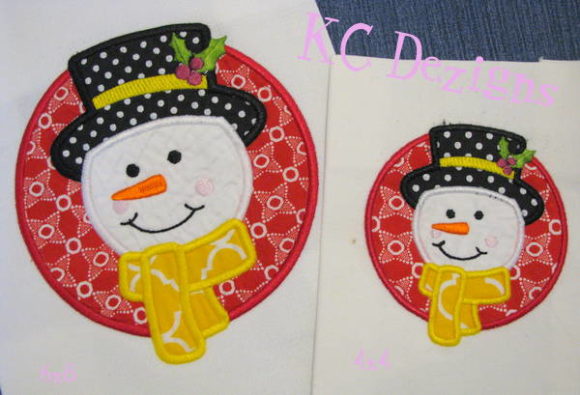
My initial assessment of the Christmas Snowman focuses on the digitizing quality. Because this design is noted as being digitized by hand rather than auto-generated, the stitch paths generally show more intentionality. Auto-digitized files often suffer from chaotic jump stitches and poor underlay, but a hand-digitized approach typically results in cleaner transitions between satin stitch outlines and fill stitch bodies. Visually, the snowman carries a classic, nostalgic mood that fits well within traditional holiday aesthetics without feeling overly cluttered.
The availability of six sizes is a significant advantage for makers. In professional embroidery, resizing a complex design can distort stitch density or cause registration issues. Having pre-sized options suggests the digitizer has accounted for these variables at each scale. For an Etsy seller or small shop owner, this means less time spent manually adjusting files and more time focusing on production and marketing. The visual personality of the design strikes a balance between whimsical and polished, making it appropriate for a wide demographic ranging from nursery decor to adult winter apparel.
Real-World Application: The Sweatshirt Test
To truly judge this holiday embroidery, I applied it to a mid-weight cotton fleece sweatshirt, a staple item for any custom apparel business. Sweatshirts present specific challenges due to their stretch and pile. During the stitching process, the Christmas Snowman design demonstrated good stability. The underlay provided adequate foundation, preventing the fleece texture from pushing through the stitches, which is crucial for maintaining color vibrancy and design clarity.
For this project, I treated the snowman as a centerpiece for a personalized gift. The layout allowed enough negative space around the figure to add custom monogramming below without overcrowding the hoop. This flexibility is vital for creators offering personalized gifts. If you are planning a boutique product line, this design works exceptionally well as a standalone graphic on the chest or centered on the back. However, because fleece absorbs thread, I recommend using a slightly higher contrast in thread colors than you might on woven cotton to ensure the details pop in product photography and in person.
Fabric Considerations and Stabilizer Strategy
While the Christmas Snowman performs well on stable knits, caution is required when moving to other substrates. The product description mentions suitability for t-shirts and pillows, but these fabrics behave very differently.
- T-Shirts and Thin Knits: When stitching this design on lightweight jersey, stitch density becomes the critical factor. Even with high-quality digitizing, a dense fill area can cause puckering on thin fabric. Always use a cut-away stabilizer and consider a light topping to prevent stitches from sinking into the knit. Test the smallest size first to gauge fabric distortion.
- Pillows and Home Decor: On woven fabrics like linen or canvas, the design shines with minimal fuss. These stable materials support the stitch structure beautifully. For pillow covers, ensure your hoop size accommodates the design plus sufficient margin for seam allowances if you are embroidering after assembly.
- Tote Bags and Canvas: As a tote bag design, the Christmas Snowman offers excellent coverage. Canvas is forgiving, but because tote bags are handled frequently, check the perimeter running stitches. They should be secure enough to withstand wear without fraying over time.
I would advise against using the larger sizes of this design on caps or curved surfaces unless you have verified the specific dimensions against your cap frame. Curved embroidery requires specialized digitizing compensation that standard flat designs may lack. Similarly, for baby embroidery items like onesies, stick to the smaller sizes to avoid creating a stiff, heavy patch of stitching that could be uncomfortable against sensitive skin.
Commercial Viability for Makers and Sellers
For those running a craft business or selling on platforms like Etsy, the commercial value of an embroidery asset lies in its adaptability and finish quality. The Christmas Snowman design possesses a professional aesthetic that avoids the "homemade" look often associated with amateur digitizing. This level of polish directly influences customer trust and perceived value. When a buyer sees clean satin columns and smooth fills in your listing photos, they associate that quality with your entire brand.
This design also serves well for creating printable mockups and digital product previews. Because the artwork is distinct and recognizable, it renders clearly even in thumbnail images. For sellers offering physical goods, this design pairs effectively with complementary elements like snowflakes or pine branches to create bundle listings. However, always verify the licensing terms included with your digital embroidery file. Confirm whether you are permitted to sell finished products, use the design for mass production, or if there are limits on the number of units. Protecting your business starts with respecting intellectual property rights.
Essential Pre-Stitch Checklist for Designers
Before committing this design to a final finished product, every experienced embroiderer should follow a strict testing protocol. Do not assume that because a file is labeled "high quality," it will work perfectly on your specific machine and material combination.
- Run a Physical Test: Never stitch directly onto a sellable garment without a test run. Use scrap fabric that matches your project weight and weave. This reveals tension issues or registration errors that screens cannot show.
- Verify Hoop Compatibility: Check the exact dimensions of all six sizes against your machine’s maximum embroidery area. Ensure you have adequate clearance for your presser foot and hoop clamps.
- Audit Thread Contrast: View the design in black and white within your software to check value contrast. If the snowman’s body and the background fabric are similar in tone, the detail will be lost. Adjust thread selection accordingly.
- Inspect Small Details: Zoom in on facial features and buttons. If the smallest size reduces these elements to tiny satin stitches or single runs, they may disappear on textured fabrics. You may need to simplify the design manually for miniature applications.
- Wash Test: If producing items like tea towels or baby clothes that require frequent laundering, wash your test swatch. This confirms that the stitch density holds up and that the stabilizer was sufficient to prevent post-wash distortion.
Final Thoughts on Design Assets
The Christmas Snowman embroidery design stands out as a reliable, professionally digitized option for holiday projects. Its hand-digitized nature provides a solid foundation for both hobbyists and commercial decorators. By understanding how stitch types interact with different fabrics and taking the time to validate the file through physical testing, you can transform this digital asset into high-quality merchandise. Whether you are creating a signature sweatshirt for your shop or a cherished family heirloom, approaching this design with technical mindfulness ensures the final result honors both the artistry of the digitizer and the craftsmanship of the maker.