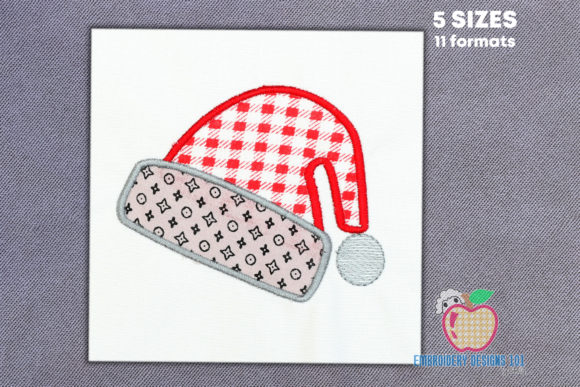
Hat of the Santa Applique Pattern Review
As a professional embroidery designer preparing for a high-stakes seasonal drop, evaluating digital assets is just as critical as selecting the right blank apparel. When sourcing designs for a boutique brand, I look for more than just festive imagery; I need technical reliability and aesthetic versatility. My current project involves a limited-edition collection of premium sweatshirts and oversized hoodies, and the Hat of the Santa Applique Pattern has caught my attention as a potential centerpiece. This review breaks down how this specific machine embroidery design performs in a real-world commercial context, moving beyond basic descriptions to analyze its viability for small shop products and custom apparel lines.
First Impressions and Design Personality
The initial appeal of the Hat of the Santa Applique Pattern lies in its focused subject matter. Unlike complex scenic Christmas embroidery that can get lost on textured fleece, a singular object like Santa’s hat offers immediate visual recognition. For a boutique brand aiming for a cozy yet polished aesthetic, this design strikes a balance between playful nostalgia and clean graphic art. The appliqué nature of the file suggests a dimensional quality that flat embroidery simply cannot achieve. When visualized on a neutral cream or oatmeal sweatshirt, the design promises a tactile contrast that elevates the perceived value of the handmade product.
From a styling perspective, this motif feels inherently versatile. It avoids being overly juvenile, which is crucial for adult-sized custom apparel. The silhouette of the hat allows for creative fabric choices within the appliqué itself. I can envision using a plush minky fabric for the red portion and a faux fur for the trim to create a mixed-media effect that photographs beautifully for Etsy listings. This level of texture differentiation is what separates a generic holiday sweater from a curated boutique piece. The mood is undeniably festive, but the execution leans toward modern rustic rather than kitschy, making it suitable for customers who want seasonal spirit without sacrificing their everyday style.
Technical Evaluation for Sweatshirt Embroidery
A pretty screen preview does not guarantee a successful stitch-out on heavy garments. Sweatshirt embroidery presents unique challenges due to fabric thickness and stretch. When reviewing the Hat of the Santa Applique Pattern for commercial use, my primary concern is stitch density and registration. Appliqué designs require precise alignment between the placement line, the tack-down stitch, and the final satin border. If the digitizing is loose, the fabric edges will fray or pucker after washing, destroying the premium feel of the finished product.
For this specific project, I would test the design on a 10-ounce cotton-poly blend fleece before committing to production. The description notes that steps are separated by color changes, which is a significant advantage for efficiency. In a commercial embroidery setting, minimizing unnecessary trims and jumps saves time and reduces thread waste. However, operators must verify that the color change sequence aligns logically with the appliqué layers. A well-digitized hat pattern should have a clear underlay to stabilize the knit fabric before the top fabric is applied. Without adequate underlay, the design may sink into the sweatshirt texture, resulting in poor definition and a cheap appearance.
Stabilizer choice becomes non-negotiable here. For an oversized hoodie design placement, I recommend a medium-weight cut-away stabilizer fused with a temporary spray adhesive. Tear-away options often distort the stretchy ribbing or fleece during the removal process. Because this is intended for wearable art that will be laundered frequently, the structural integrity of the embroidery must withstand agitation. I always check if the satin stitch width is appropriate for the fabric weight; too narrow on thick fleece leads to tunneling, while too wide can cause looping. Verifying these technical parameters ensures the Hat of the Santa Applique Pattern remains durable through years of wear.
Versatility Across Apparel and Placements
One of the strongest selling points for this embroidery file is its adaptability across different garment types and placements. While the center chest is the standard location for sweatshirt embroidery, this hat motif offers unique branding opportunities. On an oversized hoodie, consider placing the design on the upper sleeve or near the cuff for a subtle, fashion-forward detail. This asymmetric placement appeals to younger demographics browsing Etsy for unique streetwear-inspired holiday gear. Alternatively, scaling the design down creates an adorable pocket accent or a yoke detail on a baby onesie, allowing the same digital asset to serve multiple product categories within the shop.
Color contrast strategy also plays a massive role in how this design translates across inventory. On dark fabrics like navy or forest green, the Hat of the Santa Applique Pattern pops with traditional vibrancy, evoking classic Christmas warmth. However, for a more feminine or minimalist boutique vibe, tonal embroidery works wonders. Imagine a dusty rose sweatshirt with a burgundy appliqué hat and ivory trim; this muted palette feels sophisticated and extends the garment's wearability beyond December. As an Etsy seller, offering these varied colorways in printable mockup previews can significantly increase conversion rates by helping customers visualize the design in their preferred aesthetic.
Commercial Viability and Brand Value
For small business owners and creative entrepreneurs, every design asset must justify its cost through sales potential. The Hat of the Santa Applique Pattern contributes to brand identity by reinforcing a commitment to quality craftsmanship. Customers can distinguish between mass-produced prints and thoughtful embroidery. The dimensionality of appliqué signals "handmade" even when produced via machine, fostering buyer trust and engagement. When photographing the finished product for social media or shop listings, the texture catches light differently than flat ink, creating dynamic images that stop the scroll.
Furthermore, utilizing a specialized machine embroidery design like this helps differentiate a small shop product from big-box retail competitors. Large manufacturers rarely invest in intricate appliqué due to production costs, leaving a gap in the market for independent decorators. By mastering this technique, you position your boutique brand as a premium alternative. However, it is vital to manage expectations regarding production time. Appliqué requires manual intervention at each color stop to place and trim fabric. Pricing strategies must reflect this labor intensity. Highlighting the multi-step process in product descriptions educates buyers on why the item commands a higher price point, turning a production constraint into a value proposition.
Essential Pre-Production Checklist
Before loading this digital embroidery file into your machine for a full production run, several verification steps are mandatory to ensure success. While the product description confirms compatibility with multiple machines and formats, individual setups vary wildly. Always perform a test stitch-out on the exact fabric and stabilizer combination intended for the final garment. Do not rely solely on software simulations.
- Verify Hoop Size: Confirm the physical dimensions of the Hat of the Santa Applique Pattern fit comfortably within your hoop with adequate margin for fabric tension. Over-tightening near the design edge causes distortion.
- Check File Integrity: Ensure the embroidery file transferred correctly and that no stitches were dropped during format conversion. Some machines interpret complex appliqué commands differently.
- Assess Thread Colors: Map out your thread palette against the actual appliqué fabrics before stitching. Digital renderings often misrepresent how sheen interacts with matte cotton fleece.
- Review License Terms: Double-check usage rights for commercial sale. While the file is available for purchase, ensuring you have the correct license for selling finished custom apparel protects your business legally.
- Test Wash Durability: Launder the sample piece aggressively. If the appliqué frays or the design warps after one wash, adjust density or stabilizer before listing the item for sale.
Ultimately, the Hat of the Santa Applique Pattern represents a strong opportunity for apparel decorators looking to expand their seasonal offerings. Its blend of traditional charm and technical applicability makes it a reliable candidate for everything from cozy crewnecks to statement hoodies. By approaching this design with a critical eye toward fabric interaction, placement strategy, and commercial durability, small brands can transform a simple digital file into a best-selling tangible product that resonates with customers seeking authentic holiday style.