Christmas Imp Lineart Design Review
As an embroidery designer who regularly sources files for commercial production and Etsy listings, I approach every new download with a critical eye. When browsing Creative Fabrica embroidery collections for the holiday season, the Christmas Imp Lineart Design immediately caught my attention. It is not just another generic seasonal graphic; it offers a specific aesthetic that bridges the gap between vintage folklore and modern minimalist stitching. After evaluating this machine embroidery design for potential use in real-world projects, I want to share my honest assessment of how it performs on the hoop and whether it deserves a spot in your digital asset library.
First Impressions and Visual Character
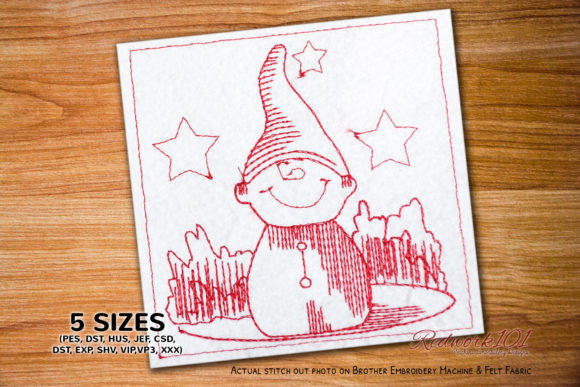
The visual mood of the Christmas Imp Lineart Design is distinct. Unlike heavy, dense fill stitch designs that can make fabric stiff and bulletproof, this file embraces the elegance of line work. The "imp" character carries a whimsical, slightly mischievous personality that feels authentic to traditional European Christmas lore rather than mass-produced commercial imagery. For a handmade product seller, this distinction matters. Customers looking for personalized gifts or boutique merchandise often seek out designs that feel curated and artistic.
From a technical standpoint, lineart requires precision. There is nowhere for poor digitizing to hide. Upon inspecting the embroidery file, the stitch paths appear logical, which is crucial for maintaining registration on textured fabrics. The design relies heavily on running stitch and satin stitch columns rather than large tatami fills. This makes it an excellent candidate for projects where drape and softness are paramount, such as baby blankets, linen napkins, or lightweight apparel.
Navigating the Optional Box Stitch Feature
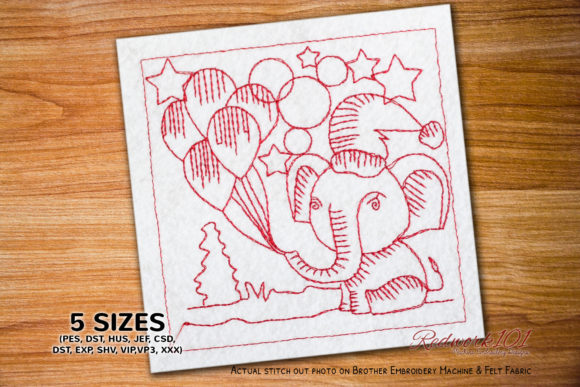
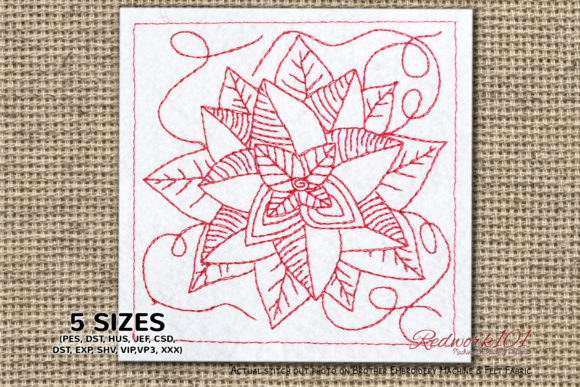
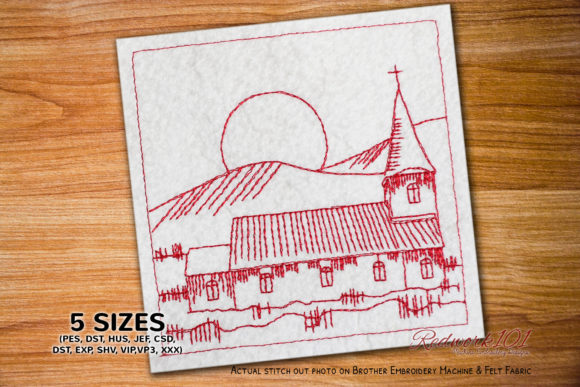
A unique aspect of this specific product is the inclusion of an outer box stitch. As noted in the product details, the box stitch shown in promotional images is optional. Furthermore, the color of the outer box varies across designs unless it is integral to the artwork itself. This flexibility is a significant advantage for custom apparel creators.
In my experience testing similar layouts, the ability to skip the frame directly in your machine software or editing program is vital. If you are embroidering a sweatshirt or a tote bag design where the imp should interact with other elements or text, removing the box prevents the design from looking like a stamped-on afterthought. Conversely, if you are creating standalone embroidered patches or framed nursery decor, keeping the box provides a necessary boundary that defines the piece. Always verify how this color stop is programmed in your specific digital embroidery file before committing to a full production run.
Real-World Application Scenarios
I evaluated the Christmas Imp Lineart Design against several common commercial embroidery applications to determine its versatility:
- Kitchen Towels and Linens: This is perhaps the strongest use case. The lineart style mimics redwork or iron-on transfer aesthetics popular in farmhouse decor. Because the stitch density is lower, it does not pucker cotton toweling as badly as dense applique designs might.
- Custom Apparel: For sweatshirt embroidery or cardigans, the design sits flat against the fabric. It pairs beautifully with collegiate fonts or simple serif lettering for personalized holiday wear.
- Baby Items: Safety and comfort are non-negotiable. The lack of dense fill stitch means less thread bulk against sensitive skin, making this suitable for bibs and blankets.
- Craft Fair Products: The quick stitch-out time associated with lineart allows for higher volume production during the busy holiday rush without sacrificing perceived value.
Technical Considerations for Professional Results
While the Christmas Imp Lineart Design is visually appealing, successful execution depends entirely on your preparation. Lineart is unforgiving on unstable fabrics. If you plan to use this on stretchy knits or dark fabrics, proper stabilization is mandatory. I recommend using a cut-away stabilizer for apparel to prevent the running stitches from tunneling or distorting after washing. For woven items like pillow covers or aprons, a medium-weight tear-away may suffice, but always test first.
Thread color contrast also plays a massive role in the final presentation. Lineart disappears on low-contrast backgrounds. If stitching on dark green or navy fabric, ensure your thread colors provide sufficient pop. Metallic threads can elevate the "imp" theme for premium gift items, but they require specialized needles and slower machine speeds to prevent breakage. Always check the recommended hoop size in the product description; attempting to resize lineart significantly can alter stitch spacing and cause gaps in the outline.
Evaluating Commercial Viability and Value
For Etsy sellers and small business owners, the question is always about return on investment. Does this design translate to sales? The Christmas Imp Lineart Design scores high on "giftability." It avoids the overly cutesy trap that limits age appeal, making it appropriate for adult stocking stuffers, teacher gifts, and heirloom-quality children's items alike.
When creating printable mockups for your listings, remember that lineart photographs differently than solid blocks of color. Ensure your product photography uses directional lighting to capture the texture of the stitches. Flat, flash-lit photos can make lineart look faint or incomplete. Showcasing the tactile nature of the embroidery builds buyer trust and justifies a higher price point for your finished product.
Essential Pre-Stitch Checklist
Before adding this to your next collection or fulfilling a customer order, adhere to these professional best practices:
- Verify Licensing: Confirm the specific license terms on the Creative Fabrica product page. Ensure you have the rights to sell physical embroidered items or use the design in commercial products.
- Test on Scrap Fabric: Never stitch a new design directly onto a final product. Test on a scrap of the exact material you intend to use to check tension and stabilizer adequacy.
- Inspect Small Details: Zoom in on the embroidery file in your software. Check that tiny facial features or extremities are not represented by single stitches that could pull out.
- Review Color Stops: Specifically regarding the optional box, confirm the color change sequence so you can efficiently skip it if desired without pausing the machine mid-design.
- Compare Mockups: Create digital previews on both light and dark backgrounds to see which showcases the line weight best for your target audience.
Final Thoughts for the Embroidery Entrepreneur
The Christmas Imp Lineart Design represents a thoughtful addition to any holiday embroidery catalog. Its strength lies in its versatility and its respect for the fabric. By offering a lighter, more artistic alternative to standard holiday clip-art conversions, it allows makers to create sophisticated, heirloom-feel goods that stand out in a saturated market.
However, treat it with the technical respect lineart demands. Success with this design comes from understanding the interplay between stitch type, fabric choice, and stabilizer. Whether you are stitching a batch of kitchen towels for a winter market or fulfilling a custom sweatshirt order, taking the time to properly set up this file will result in a professional finish that reflects well on your brand. Always refer back to the original product listing for the most accurate file specifications and licensing details to ensure your creative business remains compliant and profitable.